Why CVs Matter More Than Ever in Nigeria’s Job Market
CV writing tips for Nigerian job seekers have become more important than ever. A CV is no longer just a list of qualifications; it is your personal marketing tool. In Nigeria’s fast-changing economy, where thousands of graduates leave school each year, your CV determines whether you are invited for an interview or ignored. Employers often receive hundreds of applications for a single role, and a well-structured CV helps you stand out immediately.
The Rising Competition Among Job Seekers
Nigeria’s job market is highly competitive due to a large youth population and limited job opportunities. According to the National Bureau of Statistics, unemployment and underemployment rates remain high, meaning only candidates with strong CVs and relevant skills get noticed. This makes mastering CV writing an essential step for every job seeker in Nigeria.
Understanding the Nigerian Job Market
Industries With High Demand for Skilled Workers
Certain industries in Nigeria are expanding faster than others. Job seekers have better chances in fields like technology, healthcare, agriculture, fintech, oil and gas, and education. For example, the tech industry has created opportunities for software developers, digital marketers, and IT support professionals. Knowing which industries are growing helps you tailor your CV to meet market demand.
Why Employers in Nigeria Are More Selective Today
Employers in Nigeria now focus on candidates who can add value from day one. Many organizations cut recruitment costs by hiring fewer but more skilled workers. This means they look for applicants with clear achievements, certifications, and relevant experience. A poorly written CV suggests you may not take the job seriously.
The Role of CVs in Making First Impressions
Your CV is often the first document employers see before meeting you. If it looks untidy or irrelevant, employers may assume you lack professionalism. A good CV makes a strong impression, showing you are organized, focused, and ready for the role.
Choosing the Right CV Format
Chronological CV – Best for Experienced Professionals
This format lists your work experience in reverse order, starting with the most recent job. It is the best choice for professionals with years of experience because it shows career progression.
Functional CV – Ideal for Graduates and Career Changers
The functional CV highlights skills rather than work history. It is suitable for fresh graduates, NYSC members, or those changing industries. It shifts focus away from limited experience and emphasizes abilities.
Combination CV – Balancing Skills and Experience
A combination CV blends both work history and skills. This style works well if you have some experience and also want to showcase your technical or soft skills.
Digital CVs – Do Nigerian Employers Value Them?
Many Nigerian recruiters now accept digital CVs and online portfolios, especially in creative and tech fields. Platforms like LinkedIn are becoming essential for professionals to display skills and connect with employers.
Crafting a Professional CV Header
Correctly Listing Contact Information
Always include your full name, phone number, professional email, and location. Avoid casual emails like naijaboy123@gmail.com. Instead, use a simple and professional one, such as firstname.lastname@gmail.com.
Using a Job Title That Matches Your Target Role
Adding a clear job title at the top makes it easy for recruiters to know your career focus. For example, instead of just writing “Graduate,” write “Entry-Level Business Analyst.”
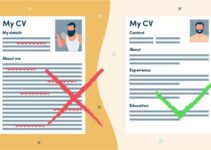
Should You Add a Professional Photo in Nigeria?
In Nigeria, adding a photo is optional. Unless the job ad requests it, you can skip it. If you decide to include one, ensure it is professional—not a selfie or party picture.
Writing a Strong Career Summary
How to Introduce Yourself in 3–4 Impactful Sentences
Your career summary should briefly state who you are, your experience, and what you offer. For example:
“Results-driven marketing professional with 5 years’ experience helping brands grow their online presence. Skilled in digital campaigns, content strategy, and customer engagement.”
Showcasing Your Value to Employers Immediately
Instead of writing “I am hardworking and passionate,” focus on achievements. Show how you helped a previous company save costs, increase revenue, or improve performance.
Avoiding Vague Statements That Weaken Your CV
Generic lines like “I work well with others” or “I am a fast learner” add little value. Replace them with specific examples of teamwork or skills applied in real situations.
Highlighting Education the Right Way
Structuring Degrees, Diplomas, and Certifications
List your highest qualifications first, including school names, dates, and grades if relevant. Example:
Bachelor of Science in Economics – University of Lagos – 2019.
When to Place Education Before Work Experience
Fresh graduates should put education at the top since it is their strongest selling point. Experienced professionals, however, should lead with work history.
Including Relevant Academic Achievements
Mention awards, scholarships, or outstanding projects that are relevant to the job. For example, writing your final-year project on renewable energy could be important if applying for an energy-related role.
Showcasing Work Experience Effectively
Writing Job Descriptions That Demonstrate Impact
When listing your work experience, avoid just writing job duties. Instead, focus on how your role made a difference. For example, instead of saying:
“Responsible for customer service,” Writee:
“Handled over 50 customer inquiries daily, resolving 90% of issues on the first call.”
This shows employers the value you brought to the company.
Using Action Words and Results-Oriented Statements
Strong action verbs make your CV sound confident. Use words like achieved, developed, implemented, improved, managed, boosted, led, and increased. These words highlight your role in delivering results instead of sounding passive.
Quantifying Achievements With Numbers and Data
Employers love to see numbers because they measure impact. Instead of saying:
“Helped with sales,”
Say:
“Increased monthly sales by 20% through targeted marketing campaigns.”
This proves you can achieve real results.
Presenting In-Demand Skills for Nigerian Employers
Hard Skills Employers Are Actively Looking For
Hard skills are specific technical abilities that can be measured. In Nigeria, common ones include:
Accounting and financial analysis
Computer programming and IT support
Digital marketing and SEO
Data analysis and Excel proficiency
Project management
Adding these skills to your CV shows employers you are work-ready.
Soft Skills That Differentiate Candidates
Soft skills are equally important. They include communication, teamwork, leadership, time management, adaptability, and problem-solving. Employers look for candidates who can blend technical knowledge with people skills.
Avoiding Overused Phrases Like “Hardworking”
Buzzwords like “hardworking,” “team player,” or “goal-driven” are overused. Instead, demonstrate these traits through achievements. For example:
“Collaborated with a cross-functional team of 10 to deliver a project two weeks early.”
Adding Certifications, Trainings, and Awards
How Extra Certifications Increase Employability
Professional certifications boost your chances, especially in Nigeria, where employers want evidence of continuous learning. Examples include:
ICAN or ACCA for accountants
PMP for project managers
Google certifications for digital marketers
Cisco/CompTIA for IT professionals
Listing Professional Development Correctly
Always list certifications with the awarding body and year obtained. Example:
Google Analytics Certification – Google – 2023
Mentioning Awards Without Sounding Arrogant
Awards should be listed factually and briefly. For instance:
Awarded “Best Employee of the Year” at XYZ Company (2022) for exceeding sales targets.
Tailoring Your CV for Each Job Application
Using Keywords From the Job Posting
Employers often scan for keywords that match the job ad. If a role requires “data analysis” or “customer relationship management,” ensure these exact phrases appear in your CV.
Customizing Content for Different Industries
One CV does not fit all jobs. If applying for a bank role, highlight finance and analytical skills. If applying for an NGO, emphasize project management and community impact.
Why Sending a Generic CV Hurts Your Chances
Recruiters quickly spot generic CVs. Sending the same version everywhere reduces your chances because it shows little effort. Tailored CVs always perform better.
Beating Applicant Tracking Systems (ATS)
How ATS Filters Work in Nigerian Companies
Many Nigerian companies now use ATS to filter applications before a human recruiter sees them. The system looks for relevant keywords, proper formatting, and structured sections.
Formatting CVs to Pass Automated Scans
To pass ATS checks:
Use simple fonts like Arial or Calibri
Avoid graphics, tables, or images
Use standard headings like “Education” and “Work Experience”
Save your CV as a Word document or PDF (if requested)
Strategic Keyword Placement for ATS Success
Sprinkle job-related keywords naturally in your career summary, skills, and work experience. Do not stuff keywords unnaturally—it can harm readability.
Designing a CV That Stands Out
Choosing Readable Fonts and Clean Layouts
Your CV should look neat and professional. Fonts like Arial, Calibri, or Times New Roman in size 10–12 are best. Avoid playful fonts that reduce credibility.
Making Smart Use of White Space
Do not overcrowd your CV. Use spacing and bullet points to make it easy to read. Recruiters often skim through CVs in less than 30 seconds.
Should You Use Templates or Custom Designs?
Templates can save time, but should be simple and ATS-friendly. If you create a custom design, keep it minimal. In Nigeria, content matters more than flashy designs.
Avoiding Common CV Mistakes
Typos and Grammatical Errors That Kill Applications
Even one spelling mistake can ruin your chances. Always proofread carefully or use free tools like Grammarly.
Including Irrelevant or Outdated Information
Remove irrelevant hobbies or experiences. Employers do not need to know about your secondary school prefect role if you have years of work experience.
Making Your CV Too Long or Too Short
The ideal length is 1–2 pages. Fresh graduates should aim for one page, while professionals with experience can go up to two pages.
Writing Cover Letters That Complement Your CV
Why Employers Expect a Tailored Cover Letter
A cover letter allows you to explain why you are the perfect fit for a role. In Nigeria, recruiters appreciate candidates who take time to customize their letters to the company and job. Avoid generic phrases like “I am interested in this position.” Instead, show knowledge about the company and its goals.
Crafting Letters That Highlight Your Fit for the Role
Start with a strong introduction that mentions the position and how you heard about it. Use the body to highlight experiences and skills directly relevant to the job. Conclude with enthusiasm and a call to action, such as requesting an interview or further discussion.
Avoiding Repetition Between CV and Cover Letter
Do not copy your CV line by line. The cover letter should complement your CV by providing context, insights into your personality, and reasons why you’re motivated to work with the company.
CV Tips for Fresh Graduates in Nigeria
Highlighting Internships, NYSC, and Volunteer Work
Even without full-time experience, you can show value through internships, National Youth Service Corps (NYSC) placements, or volunteer work. Detail specific responsibilities, skills learned, and results achieved. For example:
“Assisted in organizing community outreach programs, reaching over 500 participants.”
Turning School Projects Into Career Achievements
Include academic projects that demonstrate relevant skills. For instance, a group marketing project can show teamwork, research, and presentation skills. Quantify impact where possible:
“Developed a social media campaign that increased engagement by 30%.”
Showing Potential Without Full-Time Job Experience
Employers hire for potential, not just experience. Highlight problem-solving, leadership in student organizations, and technical skills. Use action words to convey initiative and capability.
CV Tips for Professionals and Career Changers
Positioning Transferable Skills Clearly
If switching careers, emphasize skills that apply to multiple roles, such as project management, communication, or data analysis. Show how previous experience prepares you for the new industry.
Reframing Previous Roles to Match New Industries
Translate old job responsibilities into relevant language. For example, a teacher moving into HR could highlight training, mentoring, and conflict resolution experience.
Explaining Employment Gaps Without Raising Red Flags
If there are gaps in employment, mention productive activities during that time, such as volunteering, freelance work, or skill development. Keep explanations brief and positive.
Leveraging Online CVs and LinkedIn Profiles
Creating a LinkedIn Profile That Mirrors Your CV
A strong LinkedIn profile enhances visibility. Include a professional photo, detailed work experience, skills, and endorsements. Make your headline descriptive and keyword-rich. See LinkedIn Career Resources for guidance.
Sharing Digital Portfolios for Creative Fields
For roles in design, marketing, or IT, online portfolios showcase your work effectively. Tools like Behance or GitHub can help you display projects professionally.
How Recruiters in Nigeria Find Candidates Online
Recruiters often search LinkedIn or Google for potential hires. Ensure your CV content, LinkedIn profile, and portfolios are aligned with the skills and roles you seek.
Final Review Before Sending Out Applications
Proofreading for Perfection and Consistency
Check for spelling, grammar, formatting, and consistency. Small errors can create a negative impression.
Getting Feedback From Career Coaches or Mentors
Ask someone experienced to review your CV. They can identify gaps or areas for improvement.
Saving in the Correct Format (PDF vs. Word)
Save your CV in PDF format unless the application specifically asks for Word. PDFs preserve formatting and are universally readable.
Conclusion
Recap of Top CV Writing Tips for Nigerian Job Seekers
A well-crafted CV demonstrates your value through relevant skills, achievements, and professionalism. Tailor each application, use keywords, and highlight both hard and soft skills.
The Importance of Updating CVs Regularly
As you gain experience, update your CV to reflect new skills, certifications, and accomplishments. A current CV improves your chances of landing interviews.
Final Encouragement to Stay Prepared and Competitive
The Nigerian job market is competitive, but a strong CV gives you an edge. Stay proactive, continue learning, and apply strategically to secure your dream role.