In today’s competitive Nigerian job market, common CV mistakes to avoid in Nigeria can cost you the opportunity to land your dream job. Recruiters often receive hundreds of applications for a single position, and a flawed CV may push your profile to the bottom of the pile. A well-crafted CV, on the other hand, increases your chances of standing out and securing interviews. Understanding the key pitfalls and learning how to avoid them is essential for job seekers aiming to make a strong impression.
Understanding the Importance of a CV in Nigeria
First Impressions Matter: CV as Your Personal Brand
Your CV is your first chance to communicate your professional identity to employers. It represents your skills, experience, and potential. Think of it as your personal brand – if it is unclear, poorly formatted, or unprofessional, recruiters may form a negative impression before even meeting you.
How Employers Use CVs to Filter Candidates
In Nigeria, most employers use CVs to screen candidates for interviews. Recruiters often spend less than a minute scanning each CV to determine if the candidate meets basic requirements. This makes avoiding common CV mistakes critical. For more insights on employer preferences, visit Indeed Career Guide.
The Role of CVs in Nigerian Recruitment Trends
The Nigerian job market has evolved, with many companies relying on digital applications. Applicant Tracking Systems (ATS) are increasingly used, meaning your CV must be keyword-optimized and formatted correctly. Mistakes that were once overlooked now significantly reduce your chances.
Incorrect Contact Information
Common Errors in Phone Numbers and Email Addresses
Many Nigerian job seekers make the mistake of including outdated phone numbers, unprofessional email addresses, or multiple conflicting contact details. This simple oversight can prevent recruiters from reaching you, regardless of your qualifications.
The Impact of Outdated or Unprofessional Contact Details
An email like “funnydude123@gmail.com” or missing country codes on phone numbers can make you appear unprofessional. Recruiters might question your attention to detail, lowering your chances before the interview stage.
Tips to Ensure Recruiters Can Reach You Easily
Always use a professional email address (e.g., firstname.lastname@gmail.com) and include a Nigerian phone number with the correct country code (+234). Double-check your contact details before submitting your CV.
Poorly Written Career Objective or Personal Statement
Why Generic Statements Fail to Impress
Statements such as “I am hardworking and motivated” are vague and overused. Nigerian recruiters want to see clear evidence of your value.
Crafting a Personalized, Impactful Career Objective
Your personal statement should briefly summarize your skills, experience, and career goals while aligning with the job description. For example: “A results-driven marketing graduate with internship experience in digital campaigns, seeking to leverage creativity and analytics to drive brand growth.”
Examples of Strong Statements for Nigerian Job Seekers
“Software engineer with 2 years’ experience in web development, aiming to contribute innovative solutions at XYZ Ltd.”
“Finance graduate skilled in budgeting and forecasting, seeking to support strategic decision-making in a dynamic company.”
Focusing Too Much on Duties Instead of Achievements
Difference Between Responsibilities and Accomplishments
Listing job duties like “handled customer service” does not demonstrate impact. Employers want measurable achievements, such as “improved customer satisfaction by 20% over six months.”
How to Quantify Success With Numbers and Metrics
Use metrics wherever possible. Numbers make your CV concrete: revenue growth, cost reduction, project completion timelines, or team size managed.
Realistic Examples That Highlight Results
“Increased social media engagement by 35% through targeted campaigns.”
“Reduced office supply costs by 15% by negotiating with vendors.”
Spelling, Grammar, and Formatting Errors
Why Even Minor Errors Can Lead to Rejection
A single typo or inconsistent formatting can make recruiters doubt your attention to detail. In Nigeria’s competitive market, small mistakes can be decisive.
Tools and Techniques for Proofreading Your CV
Use tools like Grammarly or Hemingway Editor to catch errors. Read your CV aloud and have someone else review it.
Maintaining Consistent Formatting and Style
Ensure uniform font sizes, bullet points, and spacing. Stick to professional fonts like Arial, Calibri, or Times New Roman.
Using Irrelevant Information
Including Unnecessary Personal Details
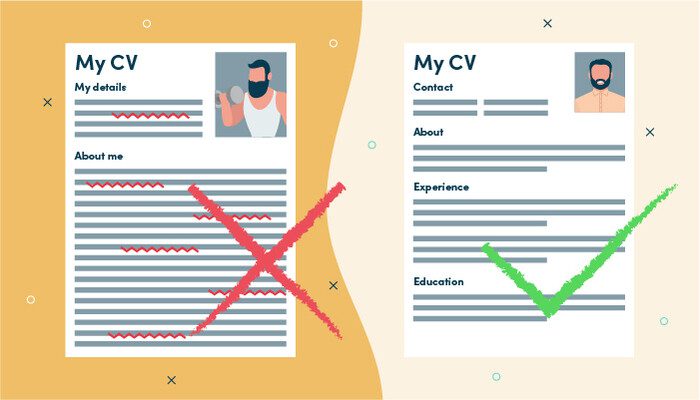
Many Nigerian job seekers include details like marital status, religious affiliation, or hobbies unrelated to the role. While some cultural contexts may value this, it can clutter your CV and distract from your professional qualifications.
Avoiding Overloading CVs With Outdated Roles
Listing jobs from over 10 years ago or unrelated part-time roles can make your CV unnecessarily long. Focus on experiences that showcase your current skills and relevance.
How to Keep Content Relevant to Job Requirements
Review the job description and tailor your CV. Highlight experiences, skills, and achievements that directly match the role. Irrelevant information should be removed.
Poor CV Layout and Design
Fonts, Spacing, and Readability Mistakes
Overly decorative fonts, cramped spacing, and inconsistent formatting can make your CV hard to read. Recruiters prefer clean, professional layouts that are easy on the eyes.
When to Use Professional Templates vs. Custom Designs
Professional templates save time and ensure consistency, while custom designs can showcase creativity. Choose a format that suits your industry. Websites like Canva offer customizable Nigerian-friendly templates.
Making Key Information Stand Out
Use headings, bold text, and bullet points to highlight important sections like skills, achievements, and experience.
Lack of Keywords for Applicant Tracking Systems (ATS)
How ATS Filters Work in Nigerian Companies
ATS software scans CVs for relevant keywords before human review. Missing essential keywords can result in automatic rejection.
Importance of Including Job-Specific Keywords
Include terms from the job description, such as specific software, certifications, or skills, to increase your chances of passing ATS filters.
Balancing Keywords With Natural Language
Avoid keyword stuffing. Integrate keywords naturally in sentences describing your experience and achievements.
Overly Long or Short CVs
Ideal CV Length for Fresh Graduates vs. Experienced Professionals
Fresh graduates should aim for 1–2 pages, while professionals with extensive experience may use 2–3 pages. Too long or too short CVs can lose recruiter interest.
Risks of Too Much or Too Little Information
Excessive detail can overwhelm readers; too little information may fail to convey competence. Strike a balance by highlighting accomplishments.
How to Condense or Expand Effectively
Focus on measurable achievements and relevant skills. Remove unnecessary tasks and outdated roles while expanding on key successes.
Failing to Highlight Skills Properly
Hard Skills vs. Soft Skills Confusion
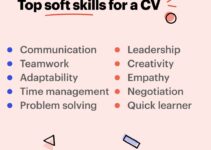
Employers seek both technical (hard) and interpersonal (soft) skills. Avoid listing generic soft skills without examples.
Presenting Skills That Match Job Descriptions
Align skills with those mentioned in the job posting. For instance, a role in finance might require “financial modeling” and “budget forecasting.”
Avoiding Generic Phrases That Add No Value
Phrases like “good communication” or “team player” should be backed by examples: “Led a 5-person team to complete a project 2 weeks ahead of schedule.”
Ignoring Achievements, Certifications, and Projects
How to Show Extra Qualifications That Impress Employers
Include professional certifications like ICAN for accountants or relevant courses for your field. This demonstrates commitment to career growth.
Including Volunteer Work and Internships
Highlight internships, NYSC placements, and volunteer experiences. These experiences show initiative, responsibility, and practical skills even for fresh graduates.
Demonstrating Practical Experience With Projects
Showcase key projects you led or contributed to, especially those with measurable results. Include details like objectives, your role, and outcomes.
Using a One-Size-Fits-All CV
Why Sending the Same CV to Every Job Fails
Generic CVs often miss crucial keywords and fail to demonstrate relevance for each role. Recruiters quickly spot applicants who don’t tailor their CVs.
How to Customize Your CV for Each Application
Adjust your personal statement, skills, and experience sections to align with the specific job. Highlight achievements most relevant to the role.
Quick Techniques for Tailoring Without Starting From Scratch
Maintain a master CV with all your experiences, then extract and rearrange sections to match each job application efficiently.
Neglecting Digital Presence
Failing to Include LinkedIn or Professional Portfolios
Recruiters increasingly search online profiles. Missing LinkedIn profiles or digital portfolios can make candidates seem less engaged.
How Online Profiles Complement Your CV
LinkedIn allows you to expand on achievements, share recommendations, and showcase projects, giving a fuller picture of your capabilities.
Tips for Making a Digital Presence Professional
Ensure profile photos are professional, descriptions are concise, and content aligns with your CV. Platforms like LinkedIn and Behance are essential.
Not Including a Cover Letter or Poor Letter Integration
How Cover Letters Enhance CV Impact
A strong cover letter allows you to narrate your career story, explain gaps, and demonstrate enthusiasm for the role.
Common Mistakes in Nigerian Cover Letters
Avoid repeating CV content, using generic greetings, or making spelling/grammar errors.
Aligning Your Cover Letter With Your CV Effectively
Reference key achievements from your CV and tailor examples to the specific job, showing why you are the best fit.
Gaps in Employment or Inconsistencies
How to Explain Career Gaps Without Raising Red Flags
Be honest but strategic. Highlight activities like freelancing, volunteering, upskilling, or personal development during gaps.
Maintaining Credibility While Being Honest
Focus on skills acquired during gaps, and frame them as proactive career development rather than inactivity.
Strategies for Career Changers
Emphasize transferable skills and relevant experiences that demonstrate readiness for a new industry.
Overemphasizing Salary or Position in CV
Why Highlighting Salary Expectations Early Can Hurt
Recruiters may perceive this as greed or inflexibility. Keep salary discussions for interviews.
Focusing on Value and Skills Instead
Showcase what you bring to the company through achievements, results, and skills.
Best Practices for Including Career Goals
If including career objectives, focus on growth, contribution, and alignment with the company’s mission.
Final Checklist Before Sending Your CV
Proofreading, Formatting, and Consistency Review
Double-check grammar, spelling, and consistent use of fonts and bullet styles. A polished CV reflects professionalism.
Peer and Mentor Feedback for the Nigerian Job Market
Seek feedback from mentors, career coaches, or industry professionals to ensure your CV is competitive and culturally relevant.
Saving and Sending the CV in the Correct Format
Use PDF format to preserve formatting. Label files professionally, e.g., “John_Doe_CV.pdf”.
Conclusion
Recap of the Most Common CV Mistakes to Avoid in Nigeria
Avoid errors in contact info, objectives, skills, formatting, tailoring, digital presence, and gaps to maximize interview chances.
Final Tips for Crafting a CV That Gets Noticed
Tailor your CV to each job, highlight achievements, integrate keywords, and maintain a professional online presence.
Encouragement to Continuously Update and Improve Your CV
Regularly review and update your CV as you gain experience, skills, and certifications to remain competitive in Nigeria’s dynamic job market.