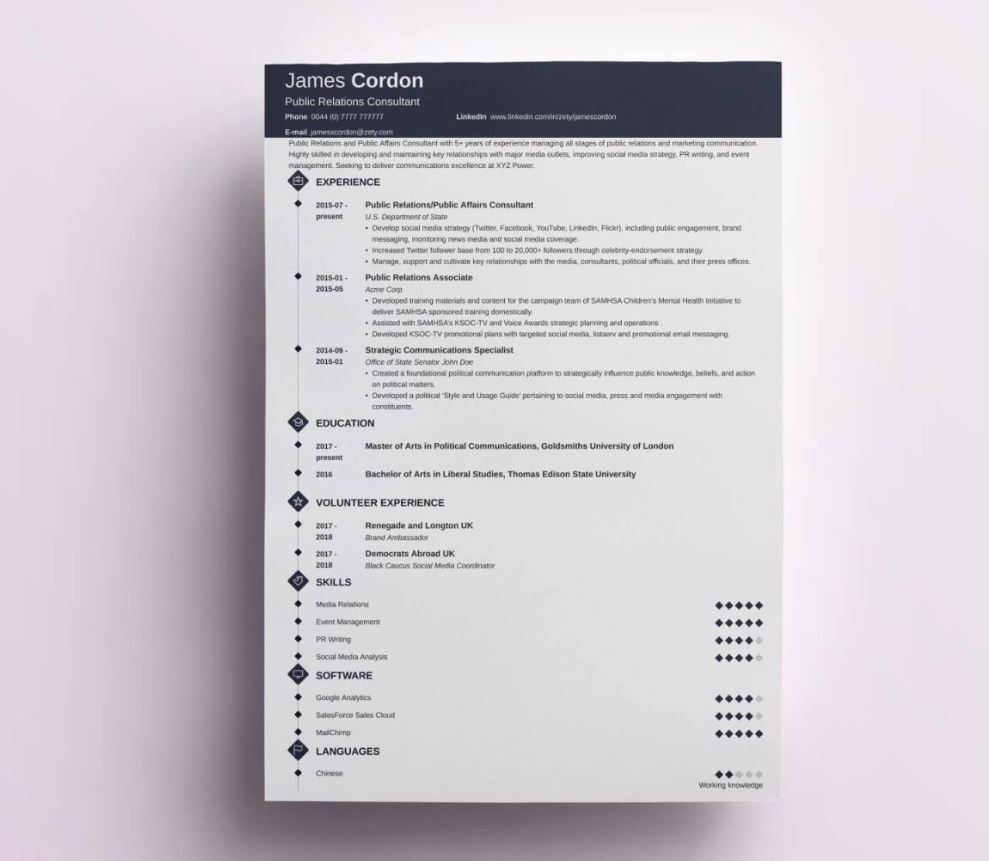
Creating a strong CV is one of the most important steps in landing your dream job. Understanding the CV format that works best in Nigeria can significantly increase your chances of standing out to recruiters. In this guide, we will explore everything you need to know about CVs in the Nigerian job market.
Why Choosing the Right CV Format Matters in Nigeria
The right CV format ensures your skills, experience, and achievements are presented clearly. Recruiters often spend less than a minute reviewing each CV, so structure matters.
How the Right CV Format Can Increase Your Chances of Getting Hired
A well-structured CV highlights your strengths and minimizes gaps or weaknesses. Choosing the correct format aligns your profile with what employers expect.
Overview of Common CV Formats
There are three main CV formats in Nigeria:
Chronological
Functional
Combination
Each format has its advantages depending on your experience level and career goals.
Understanding the Nigerian Job Market
Trends in Recruitment and CV Preferences
Employers in Nigeria value concise, result-oriented CVs. According to Jobberman, recruiters prefer candidates who highlight achievements rather than just responsibilities.
Industries That Value Different CV Styles
Banking and Finance: Chronological CVs are often preferred.
Tech and Creative Fields: Functional or combination CVs work well.
Government and NGOs: Structured, chronological CVs show stability.
How Employers Screen CVs in Nigeria
Recruiters often scan for keywords, relevant skills, and work history. ATS (Applicant Tracking Systems) are increasingly used to filter CVs before human review.
The Chronological CV Format
What is a Chronological CV?
A chronological CV lists work experience from the most recent to the oldest, emphasizing a strong career path.
Best For Professionals With Strong Work History
This format is ideal if you have a consistent job history without significant gaps.
Advantages and Disadvantages
Advantages: Easy for recruiters to follow, shows career progression.
Disadvantages: Gaps in employment are more visible, less focus on skills.
Example Structure for Nigerian Job Seekers
Header and contact information
Career objective
Work experience (most recent first)
Education
Skills and certifications
The Functional CV Format
What is a Functional CV?
This CV emphasizes skills and achievements over chronological work history.
Ideal for Graduates and Career Changers
Functional CVs are useful if you lack experience or want to switch industries.
Advantages and Disadvantages
Advantages: Focuses on what you can do, hides gaps in employment.
Disadvantages: Recruiters may be skeptical if work history is minimal.
How to Highlight Skills Over Experience
List relevant skills, projects, and accomplishments first, then briefly mention past roles.
The Combination CV Format
What is a Combination CV?
This format merges skills and work history, giving recruiters a full view of your abilities.
When to Use This Format in Nigeria
Ideal for mid-level professionals who want to showcase both skills and experience.
Benefits of Mixing Skills and Work History
Highlights achievements
Balances skills and experience
Reduces the negative impact of career gaps
Sample Layout and Key Sections
Header
Career summary
Key skills
Work experience
Education
Certifications
Key Components of a Nigerian CV
Professional Header and Contact Information
Include full name, phone number, professional email, and LinkedIn profile.
Career Objective or Personal Statement
Summarize your career goals and value in 3–4 sentences.
Education Section That Impresses Employers
List degrees, certifications, and relevant coursework.
Work Experience and Achievements
Focus on results, not just responsibilities.
Skills Section: Hard and Soft Skills
Include both technical and interpersonal skills relevant to the role.
Certifications, Awards, and Projects
Showcase additional qualifications and accomplishments.
Crafting a CV Header That Gets Noticed
Correct Contact Information
Ensure your phone number and email are up-to-date.
Using a Professional Title or Tagline
Titles like “Digital Marketing Specialist” or “Software Developer” clarify your expertise.
Including Optional Photo: Pros and Cons
Photos are optional, but can help if industry norms favor them. Avoid casual or unprofessional images.
Writing a Strong Career Objective
How to Summarize Your Career Goals in Nigeria
Be specific about your role and how you aim to contribute to the company.
Making Your Objective Specific to the Job
Tailor your objective for each application, showing relevance to the employer’s needs.
Common Mistakes to Avoid
Vague statements
Overly generic phrases
Focusing on what you want instead of the employer’s values
Highlighting Education Effectively
How to List Degrees, Diplomas, and Certifications
Include institution, location, degree, and graduation year.
Placement of Education Section Depending on Experience
Fresh graduates: education first
Experienced professionals: education after work experience
Adding Academic Achievements and Courses
Include awards, honors, and relevant courses to strengthen your profile.
Showcasing Work Experience Successfully
Writing Job Descriptions That Demonstrate Results
Focus on what you achieved, not just duties.
Using Action Words and Quantifiable Achievements
Example: “Increased sales by 30% in six months.”
Tailoring Work Experience to the Job Role
Highlight relevant roles and accomplishments for the position applied for.
Presenting Skills That Employers Value
Hard Skills vs. Soft Skills: What Nigerian Employers Want
Hard skills: IT, finance, engineering
Soft skills: communication, teamwork, leadership
Top In-Demand Skills Across Industries
Digital marketing, programming, data analysis, and project management.
Avoiding Overused Buzzwords
Avoid “hardworking” or “team player” without evidence.
Optimizing CVs for Applicant Tracking Systems (ATS)
How ATS Works in Nigerian Companies
ATS scans CVs for keywords before human review.
Formatting Tips to Pass Automated Filters
Use simple fonts
Avoid tables or graphics
Include keywords naturally
Using Keywords Strategically
Mirror the job description language to improve ATS compatibility.
Designing a Professional CV Layout
Choosing Readable Fonts and Formatting
Fonts like Arial or Calibri, 11–12 pt, clear headings.
Using White Space for Better Readability
Avoid clutter; make the CV visually easy to scan.
Should You Use Templates or Custom Designs?
Templates are safe; custom designs can stand out if industry-appropriate.
Common Mistakes to Avoid in Nigerian CVs
Typos and Poor Grammar
Always proofread or use tools like Grammarly.
Irrelevant Information
Avoid personal details like marital status unless necessary.
CV Length Issues
Fresh graduates: 1 page
Experienced professionals: 2 pages maximum
Tailoring CVs for Different Career Levels
Fresh Graduates vs. Experienced Professionals
Focus on education, internships, and projects for graduates; highlight achievements for experienced professionals.
Career Changers and Industry Switchers
Emphasize transferable skills and relevant training.
Highlighting Transferable Skills
Communication, problem-solving, and project management are universally valuable.
Leveraging Digital CVs and Online Profiles
Using LinkedIn and Online Portfolios
Ensure LinkedIn matches your CV and showcases your achievements.
Digital Formats That Employers Prefer
PDF is most professional; Word documents are also acceptable.
Linking to Work Samples and Projects
Provide links to portfolios, GitHub, or personal websites.
Final Checklist Before Submitting
Proofreading and Consistency Checks
Check spelling, grammar, and formatting consistency.
Peer or Mentor Feedback
Ask someone experienced to review your CV.
Correct File Formats for Submission
Save as PDF unless the employer specifies otherwise.
Conclusion
Recap of the CV Format That Works Best in Nigeria
A combination of clear structure, relevant skills, and tailored content ensures your CV stands out.
Encouragement to Customize CVs for Each Application
Tailoring your CV to each job maximizes your chances of being shortlisted.
Final Tips for Boosting Job Success
Update regularly, focus on achievements, and ensure readability. A strong CV opens doors to interviews and opportunities.