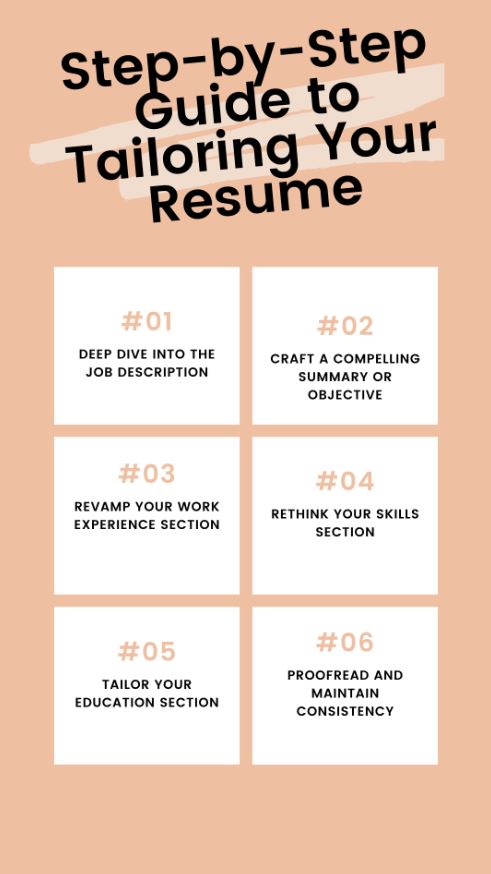
Tailoring your CV to each job is one of the most important career tips for job seekers in 2025. With more graduates and professionals entering the market, competition for jobs is tougher than ever. Recruiters no longer want generic CVs that look the same for every role. They want applications that speak directly to the position they are offering.
A customized CV not only shows that you took time to understand the job but also increases your chances of passing through Applicant Tracking Systems (ATS) and getting shortlisted. According to Forbes, candidates who adapt their CVs to specific roles are far more likely to be called for interviews.
Understanding the Importance of Tailoring Your CV
What Recruiters Want to See in 2025
Recruiters in 2025 want CVs that are short, clear, and tailored to their specific needs. They look for relevant skills, measurable achievements, and career goals that match the company’s direction.
How Applicant Tracking Systems (ATS) Filter CVs
Many companies now use ATS software to scan CVs. This system checks for keywords from the job description. If your CV does not contain these keywords, it may never be seen by a human recruiter.
Why a Generic CV Hurts Your Job Search
A one-size-fits-all CV makes you look less serious about the role. Employers can easily spot generic CVs, and this reduces your chance of being shortlisted.
Researching the Job and Company First
Reading the Job Description Carefully
Before writing your CV, go through the job description line by line. Note the responsibilities, qualifications, and skills the employer highlights.
Studying Company Culture and Values
Visit the company’s website and social media pages. Look at their mission, values, and tone. This helps you reflect their culture in your CV.
Identifying Keywords and Phrases Employers Use
Pick out keywords such as “project management,” “customer service,” or “digital marketing.” Adding these naturally to your CV helps it pass ATS scans.
Choosing the Right CV Format
Chronological CV for Strong Work History
If you have consistent work experience, a chronological CV is best. It lists your jobs in reverse order and shows career growth.
Functional CV for Skills and Career Changers
If you are changing careers or lack direct experience, use a functional CV. This highlights your skills instead of focusing on job history.
Combination CV for Balance and Flexibility
For professionals who want to show both skills and work history, the combination CV works well. It blends the best of both formats.
Writing a Customized Career Objective or Summary
Making Your Objective Specific to Each Job
Avoid vague lines like “seeking a challenging position.” Instead, write, “Looking to apply five years of marketing experience to grow brand engagement at XYZ Company.”
Highlighting Career Goals That Align With the Company
If the company values innovation, mention how your skills can support creative solutions.
Common Mistakes to Avoid in Summary Writing
Do not use clichés like “hardworking” or “team player” without examples. Avoid copying generic templates found online.
Matching Your Skills to the Job Description
Picking the Most Relevant Hard and Soft Skills
Hard skills may include coding, data analysis, or sales, while soft skills include communication and teamwork. Choose the ones that match the job ad.
How to Organize Skills So They Stand Out
Group your skills under headings like “Technical Skills” or “Leadership Skills.” This makes them easier to scan.
Avoiding Irrelevant or Outdated Skills
Skills like typing speed or outdated software should be removed unless directly relevant.
Tailoring Work Experience to the Role
Reordering Experiences to Match the Job Focus
List experiences most related to the role first, even if they are not your most recent jobs.
Writing Bullet Points With Action Verbs
Use verbs like “developed,” “achieved,” or “led” to show active contributions.
Using Numbers and Results to Show Impact
Instead of saying “Managed a sales team,” write “Managed a team of 10 sales reps and increased revenue by 25% in one year.”
Highlighting Education and Certifications
When to Put Education at the Top of Your CV
For fresh graduates, education should come before work experience. For professionals, keep it below work history.
Adding Certifications That Match the Job Requirements
Include industry certifications such as PMP, Google Analytics, or CISCO if they are relevant.
Showing Continuous Learning Through Short Courses
Mention online courses from platforms like Coursera or LinkedIn Learning. This shows you are keeping up with industry trends.
Using Keywords Strategically
How to Find the Right Keywords From the Job Post
Scan the job listing for repeated words and skills. These are the keywords employers want to see.
Placing Keywords Naturally in Your CV
Add them to your skills, work experience, and summary sections. Make sure they read naturally.
Avoiding Keyword Stuffing That Reduces Readability
Do not overload your CV with keywords. Recruiters will notice, and it makes your CV look fake.
Showcasing Achievements That Fit the Role
Turning Responsibilities Into Achievements
Instead of just listing what you were “responsible for,” highlight what you actually achieved. For example, change “Responsible for customer support” to “Improved customer satisfaction scores by 15% through faster response times.”
Linking Achievements to the Employer’s Needs
If the job ad mentions boosting sales, show achievements where you increased revenue, closed deals, or expanded markets.
Demonstrating Problem-Solving With Examples
Employers value problem-solvers. Write about challenges you faced and how you overcame them, such as cutting costs or streamlining processes.
Adapting for Entry-Level Candidates
Highlighting Internships, Volunteer Work, and Projects
If you don’t have much experience, include internships, volunteer work, or school projects that prove your skills.
Showcasing Transferable Skills From School or Training
Skills like research, teamwork, and presentations from school projects can be valuable for entry-level jobs.
Demonstrating Eagerness and Ability to Grow
Employers want to see motivation. Show your willingness to learn and adapt to new challenges.
Adapting for Experienced Professionals
Emphasizing Leadership and Management Experience
For senior roles, highlight leadership experience such as team supervision, budget management, or strategy execution.
Showing Expertise in Specific Industries
Tailor your CV to show industry-specific experience, whether in finance, healthcare, tech, or education.
Demonstrating Measurable Contributions to Past Companies
Use metrics like revenue growth, project delivery times, or staff retention rates to demonstrate results.
Aligning Your CV With Your Cover Letter
Avoiding Repetition While Keeping Consistency
Your cover letter should complement, not repeat, your CV. If your CV lists skills, your cover letter can explain how you used them.
Expanding on Skills in the Cover Letter
For example, if your CV lists “project management,” your cover letter could share a story about leading a project to success.
Creating a Strong Link Between Both Documents
Both documents should match in tone, format, and goals, giving recruiters a complete picture of who you are.
Optimizing for Applicant Tracking Systems (ATS)
Formatting Tips to Avoid Rejection by ATS
Use standard fonts like Arial or Calibri, avoid images, and stick to simple formatting. ATS may not read creative designs correctly.
Using Standard Section Headings
Keep headings like “Work Experience,” “Education,” and “Skills” because ATS systems are programmed to recognize them.
Sending in the Correct File Type
Unless otherwise stated, send your CV as a Word document or PDF. These formats are the most ATS-friendly.
Designing a Professional Layout
Choosing Fonts That Look Clean and Professional
Use easy-to-read fonts such as Times New Roman, Arial, or Calibri. Avoid overly decorative styles.
Using Bullet Points and Spacing for Readability
Keep bullet points short and spaced out so recruiters can scan.
Keeping the CV Length Ideal for 2025 Standards
For entry-level candidates, one page is enough. For experienced professionals, two pages are acceptable.
Common Mistakes to Avoid When Tailoring Your CV
Sending the Same CV to Every Job
This is the biggest mistake. Recruiters can easily spot generic CVs. Always customize.
Including Irrelevant or Outdated Information
Remove old skills, outdated technologies, or jobs that do not support your application.
Forgetting to Proofread and Check Formatting
Typos and messy layouts make you look careless. Always double-check before sending.
Final Checklist Before Submitting
Reviewing the Relevance of Each Section
Ask yourself: Does every section of my CV relate to this job? If not, adjust it.
Proofreading for Grammar and Spelling Errors
Simple mistakes can cost you opportunities. Use tools like Grammarly to polish your writing.
Double-Checking Attachments and File Name
Ensure your CV is attached correctly and named professionally, e.g., “John-Doe-CV.pdf” instead of “CV123final.docx.”
Conclusion
Tailoring your CV is no longer optional in 2025. Recruiters and ATS systems demand applications that speak directly to the job. Knowing how to tailor your CV to each job gives you a clear advantage over other applicants.
By researching the company, highlighting the right skills, showcasing relevant achievements, and optimizing for ATS, you greatly increase your chances of getting noticed. Keep your CV professional, updated, and specific to every role you apply for. With this strategy, you are not just sending out CVs—you are sending applications that impress recruiters and bring you closer to your dream job.