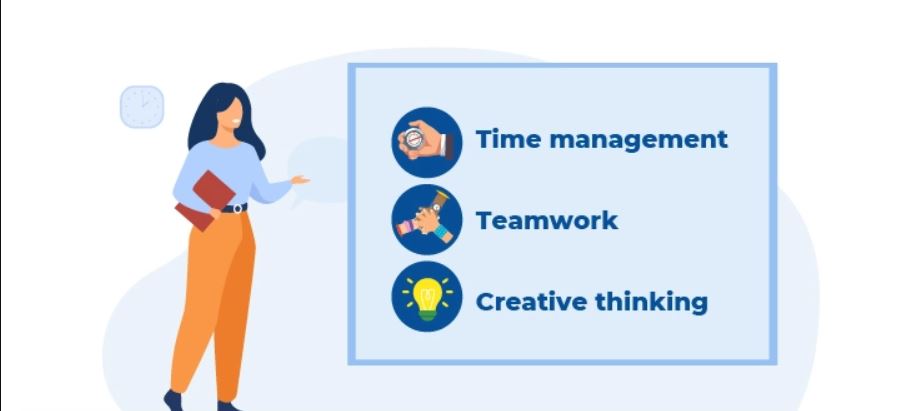
Soft skills Nigerian employers look for in 2025 are becoming just as important as technical knowledge or degrees. While academic qualifications still matter, companies now understand that success in the workplace depends heavily on how employees communicate, solve problems, adapt, and collaborate with others. With industries changing fast due to technology, globalization, and new work cultures, the demand for soft skills is higher than ever.
In today’s job market, Nigerian employers want more than certificates; they want people who can think critically, work well with others, and add real value beyond the technical side of their job. Candidates who can display strong interpersonal and workplace skills are often the ones who land and keep the best opportunities.
1. Communication Skills
Clear Speaking and Active Listening in the Workplace
Employers value candidates who can clearly express ideas, listen without interruption, and engage in meaningful discussions. Good communication reduces misunderstandings, increases productivity, and builds stronger teams. For instance, an employee who can actively listen to a client’s concerns and respond with clarity adds huge value to any business.
How Strong Writing Skills Set You Apart
Emails, reports, and proposals are part of daily office life. Strong writing skills make you stand out as someone who can document ideas and instructions effectively. This is why many top organizations highlight written communication as a key requirement in job postings on platforms like LinkedIn.
2. Teamwork and Collaboration
Why Employers Value People Who Work Well with Others
Every company thrives on collaboration. Nigerian employers in 2025 are keen on people who can work in diverse teams, respect others’ opinions, and achieve shared goals. Whether in small businesses or multinational corporations, teamwork ensures smoother operations and better results.
The Role of Emotional Intelligence in Team Success
Emotional intelligence (EQ) helps employees understand and manage their emotions while respecting the emotions of others. People with high EQ are better teammates because they reduce conflict, maintain peace, and motivate colleagues to do their best.
3. Problem-Solving Ability
Thinking Outside the Box to Solve Workplace Challenges
Employers are looking for candidates who can identify problems quickly and provide creative, practical solutions. Industries are facing new challenges daily, from tech disruptions to market changes, and only those with strong problem-solving skills can thrive.
How to Show Employers Your Problem-Solving Mindset
During interviews, sharing examples of how you resolved issues in school, past jobs, or internships can help you demonstrate this skill. Employers like real-life stories that prove you can handle pressure and think critically under stress.
4. Adaptability and Flexibility
Thriving in Fast-Changing Industries
Industries in Nigeria, especially tech, finance, and media, are evolving rapidly. Employers prefer workers who can quickly learn new tools, adjust to new environments, and perform well under different circumstances.
Why Being Open to Change Gives You an Edge
Adaptable employees show resilience. They don’t get stuck in “old ways” but instead embrace modern solutions. This flexibility makes you a valuable asset in companies where change is constant.
5. Leadership and Initiative
Leading Without a Title: Proving Yourself at Any Level
Leadership is not just for managers. Nigerian employers value workers who show initiative, motivate others, and step up to guide projects even without a leadership title.
Taking Responsibility and Driving Projects Forward
Employers notice people who take ownership. Being proactive, suggesting improvements, and taking responsibility for results shows you are ready for bigger opportunities in the future.
6. Time Management and Organization
How Nigerian Employers Test Your Ability to Manage Deadlines
Meeting deadlines and prioritizing tasks are vital. Employers look for people who don’t just “work hard” but “work smart,” ensuring quality results within given timeframes.
Tips for Balancing Multiple Tasks Effectively
Using calendars, task lists, and digital productivity tools helps employees stay on track. Organized workers reduce stress and deliver consistent results that employers appreciate.
7. Critical Thinking
Evaluating Situations Before Making Decisions
Critical thinking involves analyzing information carefully before acting. Nigerian employers in 2025 want workers who can weigh options and make informed choices instead of rushing decisions.
How Critical Thinkers Reduce Costly Mistakes for Companies
Employers value critical thinkers because they spot risks early, suggest safer alternatives, and prevent errors that could lead to financial losses.
8. Creativity and Innovation
Why Fresh Ideas Matter in Today’s Job Market
Creativity keeps businesses competitive. Nigerian employers now look for workers who can suggest unique ideas that solve problems or improve operations.
Simple Ways to Demonstrate Creativity During Interviews
Employers often ask candidates to describe a time when they introduced a new idea. Highlighting such experiences shows that you are innovative and open-minded.
9. Emotional Intelligence (EQ)
Building Strong Workplace Relationships
High EQ employees are skilled at building meaningful connections with colleagues and clients. These relationships make workplaces more positive and collaborative.
Managing Stress and Conflict Like a Professional
In Nigerian workplaces, stress and conflict are common. Employers prefer workers who can stay calm, resolve disputes, and keep performance levels high during tough times.
10. Networking Skills
Creating Valuable Connections Inside and Outside the Office
Networking goes beyond attending events; it’s about building relationships that open doors to new opportunities. Nigerian employers like candidates who already have professional connections.
How Networking Helps in Job Retention and Promotion
Well-networked employees often bring in clients, partnerships, and opportunities for their organizations, making them highly valuable.
11. Professional Ethics and Integrity
Why Honesty and Trust Are Non-Negotiable in Nigerian Workplaces
Trust is the foundation of every successful organization. Nigerian employers in 2025 prioritize employees who demonstrate honesty, accountability, and reliability. Employers know that workers with integrity safeguard company reputation and reduce risks of fraud or misconduct.
Building a Reputation That Speaks for You
An employee known for integrity doesn’t need to oversell themselves. Colleagues and managers naturally recommend them for promotions and leadership roles because their character has already earned respect.
12. Customer Service Orientation
Putting Clients and Customers First at Every Opportunity
Every business thrives on satisfied customers. Employers want staff who prioritize customer needs, handle complaints professionally, and provide a positive experience at every stage.
How Customer-Focused Employees Create Business Growth
Customer-oriented workers bring repeat business, improve brand reputation, and contribute directly to profits. Nigerian companies in competitive industries like banking and telecoms rely heavily on this skill to retain customers.
13. Negotiation and Persuasion Skills
Convincing Others While Maintaining Respect
Negotiation is not about winning at all costs; it’s about finding balance. Employers look for staff who can influence decisions and secure favorable outcomes while still showing respect to others.
Using Persuasion to Achieve Win-Win Outcomes
In 2025, workers who can persuade clients, colleagues, and stakeholders add measurable value. Effective persuasion helps close deals, strengthen partnerships, and resolve conflicts productively.
14. Tech-Savvy Soft Skills
Blending Digital Know-How with People Skills
Employers in Nigeria now expect a combination of technical and interpersonal skills. Being tech-savvy is important, but knowing how to use technology to collaborate, communicate, and build relationships is even more valuable.
Why Digital Communication Etiquette Matters in 2025
From virtual meetings to email exchanges, digital etiquette reflects professionalism. Simple things like responding to emails promptly, using polite language, and presenting ideas clearly online leave a lasting impression on employers.
15. Continuous Learning Mindset
How Employers Reward Those Willing to Grow
Nigerian employers favor workers who embrace lifelong learning. Employees who seek training, take online courses, or attend workshops are seen as future leaders.
Turning Curiosity into a Career Advantage
A willingness to learn shows adaptability. Employers want people who don’t resist change but rather embrace it by developing new skills and growing with the company. Resources like Coursera and edX make continuous learning accessible and affordable for anyone.
Conclusion
Soft skills Nigerian employers look for in 2025 go far beyond technical knowledge. Communication, teamwork, problem-solving, adaptability, leadership, and integrity are just a few of the essential skills shaping the future of work. These skills not only improve workplace performance but also help employees build lasting careers in Nigeria’s competitive job market.
To stay ahead, job seekers must actively develop these soft skills, demonstrate them in interviews, and consistently apply them in daily work. By doing so, they increase their chances of not just landing their dream job but also thriving in it for years to come.